
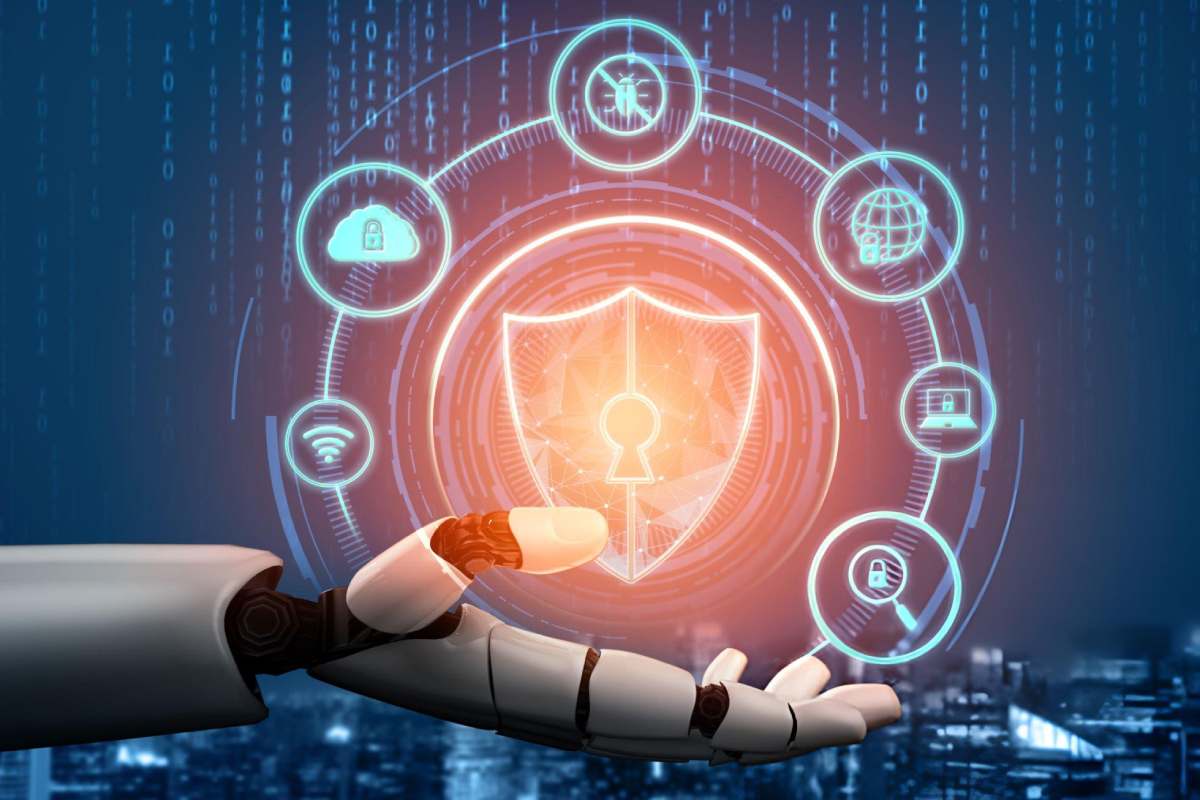
As India continues to fast-track its digital transformation, companies across all sectors must consider cybersecurity as a core concern. The implementation of artificial intelligence in cybersecurity solutions will stop being a matter of if and become a matter of when, and by 2026, it will no longer be desirable but mandatory.
Indian companies are exposed to highly sophisticated cyber threats, such as ransomware, data leaks, and others, and implementing AI-based security systems is extremely necessary.
What is AI-Driven Cybersecurity?
AI-based cybersecurity uses machine learning, deep learning, and sophisticated algorithms to calculate, prevent, and respond to cyber threats in real time. Unlike traditional rule-based security systems, AI-based solutions employ a learning and pattern recognition approach to respond to emerging threats.
The essential elements of AI-based cybersecurity solutions are:
Threat detection through machine learning: AI systems analyse large volumes of data to spot anomalies and potential security gaps before they cause harm. These smart systems can process millions of events per second and identify patterns that human analysts would miss.
Automated incident response: AI-driven systems can automatically isolate affected systems, block malicious traffic, and trigger threat response protocols upon detection, providing a response in milliseconds rather than hours.
Extrapolative analytics: Using historical data and current trends, AI will identify potential vulnerabilities and attack patterns, and implement security measures proactively rather than reactively.
Why Indian Companies Need AI-Driven Cybersecurity Now
Digital transformation is a wave that not only brings benefits but also requires API integration into business processes to maintain competitiveness. Therefore, API integration has become a fundamental part of modern business activities.
Growing threat matrix
India is experiencing an unprecedented rise in cyberattacks. The complexity of these attacks has changed significantly, and attackers are now using AI to circumvent traditional security measures. Phishing, ransomware attacks, and sophisticated persistent threats (APTs) are becoming more specific and destructive.
Data protection and regulatory compliance requirements.
Indian companies now have to meet strict compliance standards under new laws, such as the Digital Personal Data Protection Act (DPDPA) of 2023. Organisational cybersecurity solutions that use AI help organisations to:
Ensure compliance with various regulatory requirements.
— Automate the process of classifying and protecting data according to the degree of confidentiality.
— Create detailed audit logs to inform regulatory authorities.
— Ensure the detection and notification of breaches in real time, in accordance with legal requirements.
The problem of a lack of skilled personnel
There is a severe shortage of skilled cybersecurity professionals in India, with thousands of vacancies. The use of AI-based solutions can address this deficiency by automating routine security tasks and training existing teams.
Benefits of AI-Powered Cybersecurity for Indian Enterprises
Greater accuracy in threat detection.
Traditional signature-based security systems fail to detect up to 30% of new threats. AI-based cybersecurity systems increase detection speed by identifying zero-day vulnerabilities and complex attack patterns, in addition to using behavioural analysis and anomaly detection.
Reduced response time and operational costs.
Threat research is time-consuming, as manual effort can take hours or even days. AI systems reduce this process to minutes by automatically relating events, classifying threats, and recommending mitigation measures. This efficiency translates into savings of up to 40 % in funds allocated to security operations.
Scalability for growing companies.
As online activity by Indian companies grows, AI-based security systems are easily scalable. When protecting cloud infrastructure, IoT devices, remote employees, etc., these systems fit within wider security perimeters without increasing the footprint.
Insider threat protection.
Artificial intelligence also effectively detects unusual user activity, which could indicate compromised accounts or malicious employees. By analysing behavioural patterns, AI systems can identify suspicious behaviours that are out of the ordinary.
Business Process Automation
A company’s technology needs change as it grows. API integration makes it easy to incorporate new tools and services without replacing existing systems. This standardised technology infrastructure enables companies to expand their operations seamlessly and to implement new solutions as they become available.
Implementing AI Cybersecurity: Best Practices for Indian Companies
It starts with a risk assessment.
Before implementing AI-based solutions, it is critical to conduct a thorough security audit to identify key assets, vulnerabilities, and compliance requirements specific to your industry.
Choose the right AI-based security solution provider.
Opt for cybersecurity solution providers with AI expertise and knowledge of the Indian regulatory environment. Look for solutions that offer:
– Integration with existing security infrastructure.
– Individualised threat setup for a specific sector.
– Local response and incident management capabilities.
– Open AI-based decision-making procedures.
Invest in staff training.
Artificial intelligence adds value to human knowledge, but does not replace it. Empower your security personnel to work with AI systems, analyse the results obtained and make weighted decisions based on AI suggestions.
It implements a zero-trust architecture.
It uses AI-based zero-trust security models that authenticate all access requests, regardless of origin. This strategy is especially important for organisations whose employees work remotely and in the cloud.
Common Use Cases of API Integration
E-commerce and payment processing
Cyberattacks do not depend on the size of your company. Implementing robust security measures—such as firewalls, encryption, multi-factor authentication, and periodic security audits—will protect your business and build trust with your customers. Today, there are numerous comprehensive and secure solutions, even with affordable subscription prices.
Marketing automation and analytics
Marketing teams use API integration to connect advertising ecosystems, email marketing systems, social media, and analytics consoles. This interconnectivity enables comprehensive campaign tracking, automated lead generation, and data-driven marketing strategies that help you maximise return on investment (ROI).
Customer service and support
Modern customer service systems use API integration to retrieve customer information from various sources, which creates a complete picture of each customer. Purchase history, previous interactions, and account details are instantly available to support agents, enabling them to resolve issues more quickly and efficiently.
Future Trends: AI Cybersecurity in India
Quantum Computing Resistant Cypher
As quantum computing evolves, artificial intelligence will play a crucial role in developing and instigating quantum-resistant encryption algorithms to protect confidential data.
AI-based protection of 5G networks
With the accelerated deployment of 5G networks in India, AI-based security solutions will be essential to protect the expanded attack surface created by high-speed, low-latency networks.
Integration with cloud security
As more Indian enterprises migrate to cloud platforms, AI-powered cloud security posture management (CSPM) tools will become the standard for maintaining cloud security.
Conclusion: Securing Your Digital Future
In the cybersecurity environment of 2026, Indian companies require smart, dynamic, and forward-looking defence solutions. For Indian companies, AI-based cybersecurity is not just about implementing technology; it is about ensuring business continuity, regulatory compliance, and customer trust.
The problem with cyber threats lies not in whether AI-based security systems should be used, but in how quickly they will react. Organisations that invest in AI-driven cybersecurity will become the stable, reliable businesses of tomorrow.
