
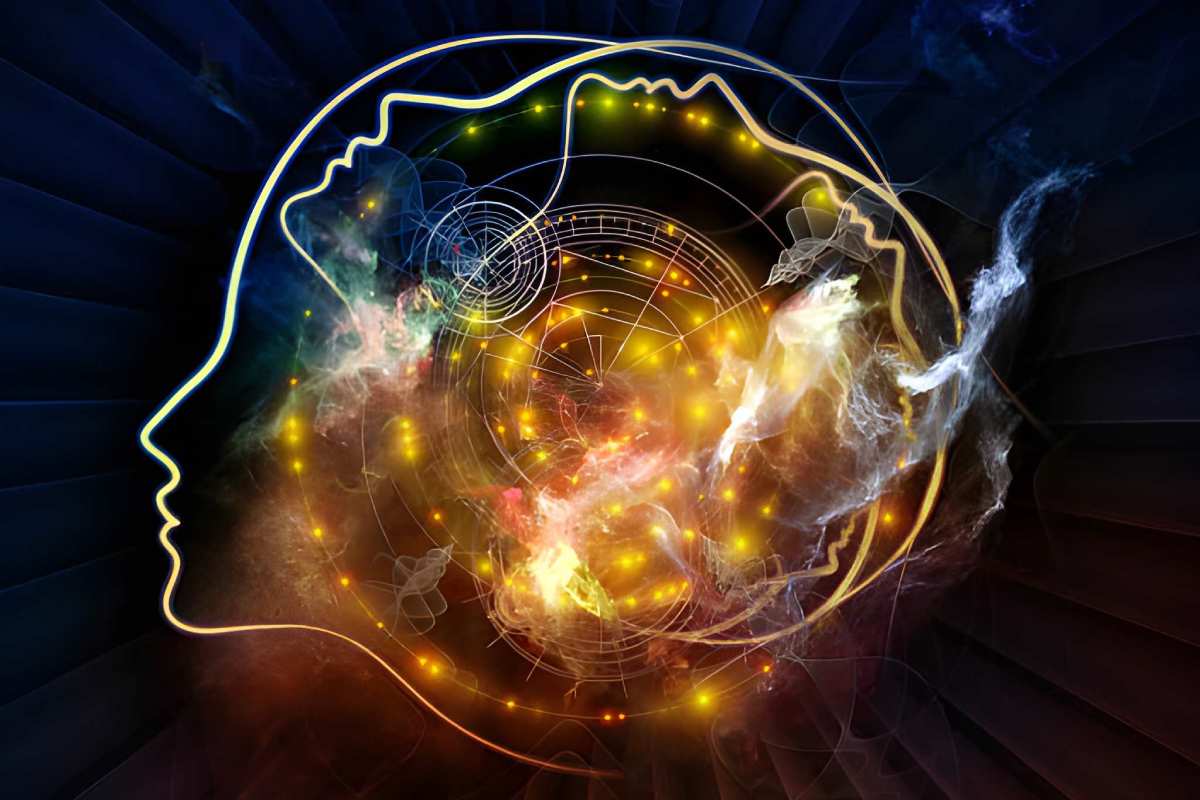
The rise of AI-generated art has sparked a lively debate in the creative world. Now that machines can create stunning visuals, questions of creativity, ownership, and ethics are more pressing than ever. As we delve deeper into this topic, let’s look at the implications and complexities of AI-generated art.
How AI Creates Art
AI-generated art results from advanced algorithms, often based on technologies like generative adversarial networks (GANs) or diffusion models. These systems are trained on large datasets of artworks, as well as on existing learning models, styles, and techniques. Once trained, they can create entirely new pieces, often indistinguishable from those made by human hands. Once trained, they can create entirely new pieces, often indistinguishable from those made by human hands. Today, tools such as an AI image generator make it possible for creators, marketers, and businesses to experiment with visual styles quickly without needing advanced design skills.
For example, tools like the free online AI image generator allow anyone to create stunning visuals in just a few clicks, democratizing access to art. But who owns the resulting artwork: the user, the AI, or the creators of the original datasets?
The Riddle of Creativity
One of the central ethical questions is: Can AI be truly creative? Traditionally viewed as a uniquely human trait, creativity involves emotion, purpose, and originality. While AI can imitate styles and create new combinations, it lacks personal intent or emotional connection. Thus, some argue that true creativity lies with the developers who program the AI or the users who control its output.
Property and Copyright Issues
Property ownership is another contentious issue in AI-generated art. Here are some key points to consider:
Dataset Controversy: AI systems learn from existing works, raising concerns about copyright infringement. If an artist’s work is used without permission to train an AI, does the resulting work infringe on their rights?
User Rights: When a user enters prompts for an AI to create art, do they own the copyright or do the developers of the AI tool own it?
Legal ambiguity: Different jurisdictions have different laws. For example, US copyright law does not recognise works created solely by non-humans.
Ethical implications
Beyond legality, the ethics of AI-generated art raise essential questions:
Impact on artists: The availability of AI tools may devalue human artists’ work, making it harder for them to compete.
Cultural sensitivity: AI may unknowingly copy or distort culturally significant art, leading to potential misuse.
Bias in art: AI may reinforce biases in the datasets it is trained on, potentially leading to stereotypical or exclusionary results.
Moving on to solutions
Several applied steps can be taken to address these issues:
- Transparent data: AI developers should ensure that datasets are ethically sourced and include various materials.
- Clear ownership policies. Platforms that provide AI tools should clearly define the ownership and use rights of the content created.
- Collaboration models: Focusing on AI as a tool that enhances human creativity rather than replaces it can help shape a more ethical approach.
Art created by AI challenges our traditional notions of creativity and ownership, sparking debates that will shape the future of art and technology. As users, developers, and policymakers navigate these waters, the goal should be to find a balance that respects human creativity, supports innovation, and upholds ethical standards. The conversation has only just begun. Where do you stand in this evolving debate?