
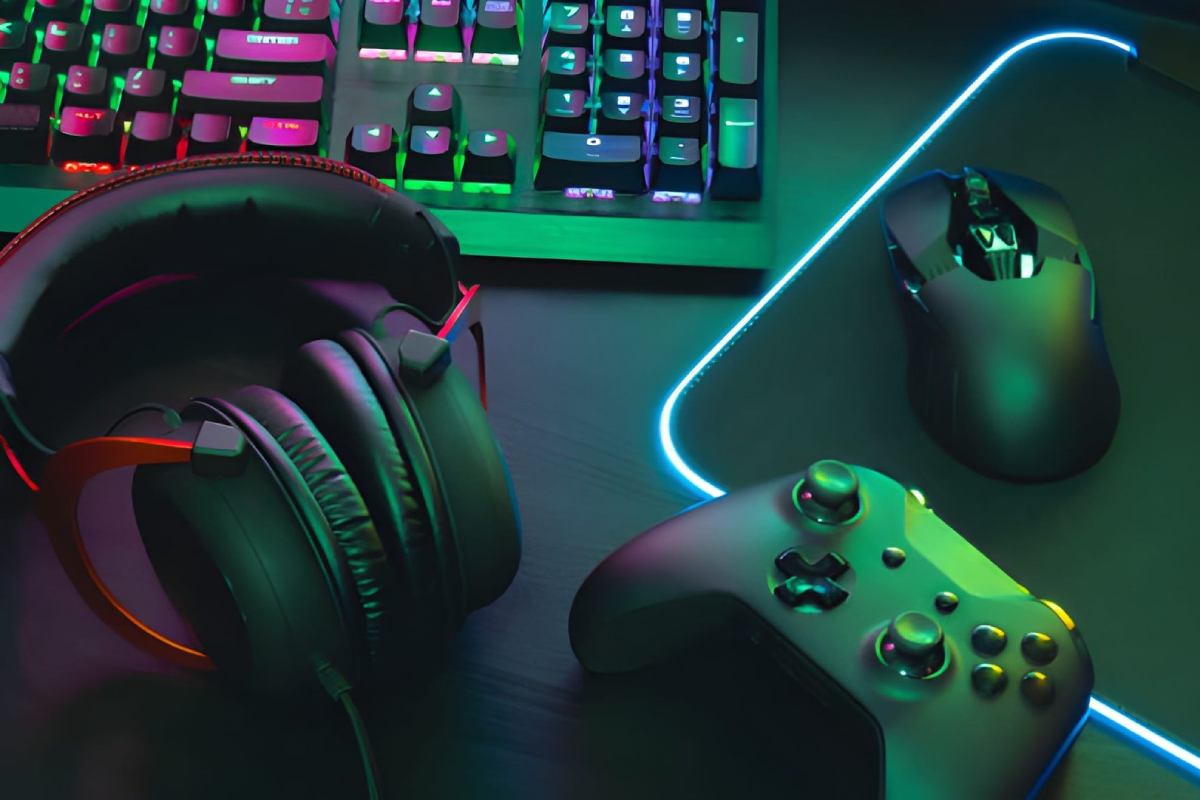
In today’s world of mobile and console gaming, smooth hardware connectivity is essential to delivering a nimble, immersive gaming experience. Among the most popular gaming remotes, HSSGamepad has established itself as a reliable option from a third-party manufacturer for Android, iOS, and PC players. However, users sometimes report connectivity issues hssgamepad, a recurring issue that affects game performance, experience, and usability.
If you experience disconnections, pairing errors, or input delays when using HSSGamepad, this guide will serve as a comprehensive resource for identifying, diagnosing, and resolving these issues. This article examines the causes, offers step-by-step solutions, and suggests preventative measures to avoid similar failures in the future.
Understanding the Core of Connectivity Issues HSSGamepad
Before moving on to the solutions, it is important to understand that the connectivity issues hssgamepad can be due to several reasons:
- Firmware incompatibility
- Operating system updates
- Wireless Interference
- Device-Specific Compatibility Conflicts
- Battery or equipment failure
- Software issues in a game or app
Unlike generic remotes, the HSSGamepad usually integrates with custom apps and firmware. This adds complexity to connectivity, especially between platforms such as Android TV decoders, smartphones, and emulators.
Root Causes Behind Connectivity Issues HSSGamepad
Let’s look at some of the most common and often overlooked reasons:
1. Outdated Firmware or Drivers
Most HSSGamepad gamepads require updated firmware for optimal Bluetooth or USB performance. Outdated software often causes random disconnections or prevents pairing with newer devices. This may especially affect Windows 11 and later versions of Android.
2. Device Compatibility problems
Some Android interfaces (such as MIUI, One UI, and ColorOS) impose strict restrictions on Bluetooth in the background. These restrictions may block or turn off remote control input. If you are using an emulator such as Dolphin or PPSSPP, incompatibility with the input API can also connectivity issues hssgamepad.
3. Bluetooth Version Mismatch
HSSGamepad models can use Bluetooth 4.0 or lower, while modern phones are optimised for Bluetooth 5.0 or higher. This inconsistency can cause connection failures or, even worse, periodic disconnections during play.
4. Signal Interference
Wireless interference from nearby routers, smartwatches, or other Bluetooth devices can weaken the connection, leading to ghost keystrokes or latency spikes.
5. Low battery and faulty charging
A low battery level or faulty internal circuits can affect signal stability. Users often notice improved performance after fully charging the device or replacing depleted batteries.
Step-by-Step Fixes for Connectivity Issues HSSGamepad
Here is a practical, structured troubleshooting plan that covers all common and technical scenarios:
Step 1: Reset and Repair the Controller
It starts with a full restart:
- Hold down the power and mode buttons for 10 seconds.
- Remove the remote from your device’s Bluetooth list.
- Restart your phone or PC.
- Repair the device from scratch.
This will clear the cached profiles and ensure a clean connection.
Step 2: Update Firmware via Companion App (If Available)
Some HSSGamepad models include add-on apps that distribute firmware updates:
- Download the official HSSGamepad app from Google Play or the App Store.
- Open the app with the remote connected.
- Check for firmware informs and apply them if available.
Step 3: Adjust Bluetooth Settings on Your Device
On Android:
- Disables battery optimisation for the HSSGamepad app.
- Go to Settings → Apps → Special accesses → Battery optimisation → Turn off for HSSGamepad.
- Turn Bluetooth off and on.
- Turn on aeroplane mode, then turn Bluetooth back on (this will remove wireless interference).
In Windows:
- Disconnect the device from “Bluetooth and other devices”.
- Go to Device Manager → Bluetooth → Right-click your adapter → Update Driver.
Step 4: Switch to USB Mode (Wired Connection)
If the Bluetooth is still unstable, connect the HSSGamepad via USB:
- Use an OTG adapter for Android or a USB-A cable for PC.
- Most models automatically switch to wired mode.
- This mode is perfect for latency-sensitive games, such as PUBG or Call of Duty Mobile.
Step 5: Test on Alternative Devices
Test the remote on another phone or PC. If everything works correctly, the problem is with the Bluetooth battery on your main device, not the HSSGamepad.
This process helps recognise the root cause of the connectivity problem and limits the scope of searching and troubleshooting.
Advanced Fixes for Persistent Connectivity Issues HSSGamepad
For users who have tried the basic methods and are still experiencing connection drops, consider the following advanced methods:
Modify Gamepad Mapping via Keymapper Tools
Sometimes, games incorrectly register the HSSGamepad gamepad input. Key customisation tools such as Octopus, Mantis Pro, or Game Controller KeyMapper let you reassign functions and troubleshoot connection issues.
- Reconfigure dead zones.
- Adjust the sensitivity.
- Force the use of custom Bluetooth profiles.
This can restore input stability even if the native Bluetooth connection is unstable.
Install Custom Bluetooth Stack (Rooted Devices Only)
Some custom Android firmwares allow users to install enhanced Bluetooth batteries:
- Use Magisk modules to enhance Bluetooth.
- Bluetooth Low Energy (BLE) compatible firmware.
- Adjust the Bluetooth stack buffer size to reduce latency.
Note: This method is advanced and should only be used by users with technical knowledge.
Preventative Measures to Avoid Future Connectivity Problems
To avoid having connectivity issues hssgamepad again, follow these tips:
- Keep the device operating system and remote firmware updated.
- Use the original charging cable or wired connection.
- Avoid placing the remote control near wifi routers or metal objects.
- Disconnect Bluetooth devices that you are not using from your phone.
- Periodically restart devices to refresh cache and memory.
It is also recommended to use a specific game profile on the phone to limit background interference.
Real-World Use Cases and Fixes from the Community
Let’s look at real situations where users have successfully resolved connectivity issues hssgamepad.
Case Study 1: Fixing Lag Spikes on Android 13
User: Ahmed, UAE
Problem: Input delay every 10 seconds
Resolved: Battery optimisation was turned off for the Bluetooth stack and the HSSGamepad app. The remote reconnects. The problem was solved instantly.
Case Study 2: Disconnecting on PC with Steam Games
User: Maria, Brazil
Issue: Randomly loses connection when playing Elden Ring on Steam
Solution: Switched from Bluetooth mode to wired USB mode. The “Allow the computer to disable this device to save power” choice in the Device Manager was disabled. Stable operation for more than 6 hours after solution.
Case Study 3: Gamepad Not Detected by Emulator
User: Kevin, Canada
Problem: The Dolphin emulator does not recognise the HSSGamepad
Workaround: AntiMicroX was installed for input reassignment, which provides compatibility with older gamepad protocols. No more problems with recognition.
Best Alternatives If HSSGamepad Connectivity Can’t Be Resolved
If retrying doesn’t fix the problem, it might be worth considering alternatives with greater cross-platform compatibility:
- 8BitDo Pro 2: Excellent compatibility and button reuse software.
- Gamesir T4 Pro: Lag-free wireless remote for Android and Windows.
- Xbox Wireless Remote: Reliable but more expensive; highest-quality manufacturing.
Before switching devices, make sure the problem is not related to your setup.
Final Thoughts on Connectivity Issues HSSGamepad
It is undeniable that connectivity issues hssgamepad can be very annoying, especially when they interrupt gameplay or significantly affect the remote’s performance. However, most problems stem from simple causes (firmware incompatibility, device interference, or outdated drivers) and can be resolved with a system diagnosis.
The key to solving the problem is to locate it, troubleshoot it step by step and apply best practices to maintain a stable connection. Whether you play casually or professionally, stable remote control enhances every gaming session.
Stay alert. Update your gear. And if necessary, explore other remotes that better suit your platform.
