
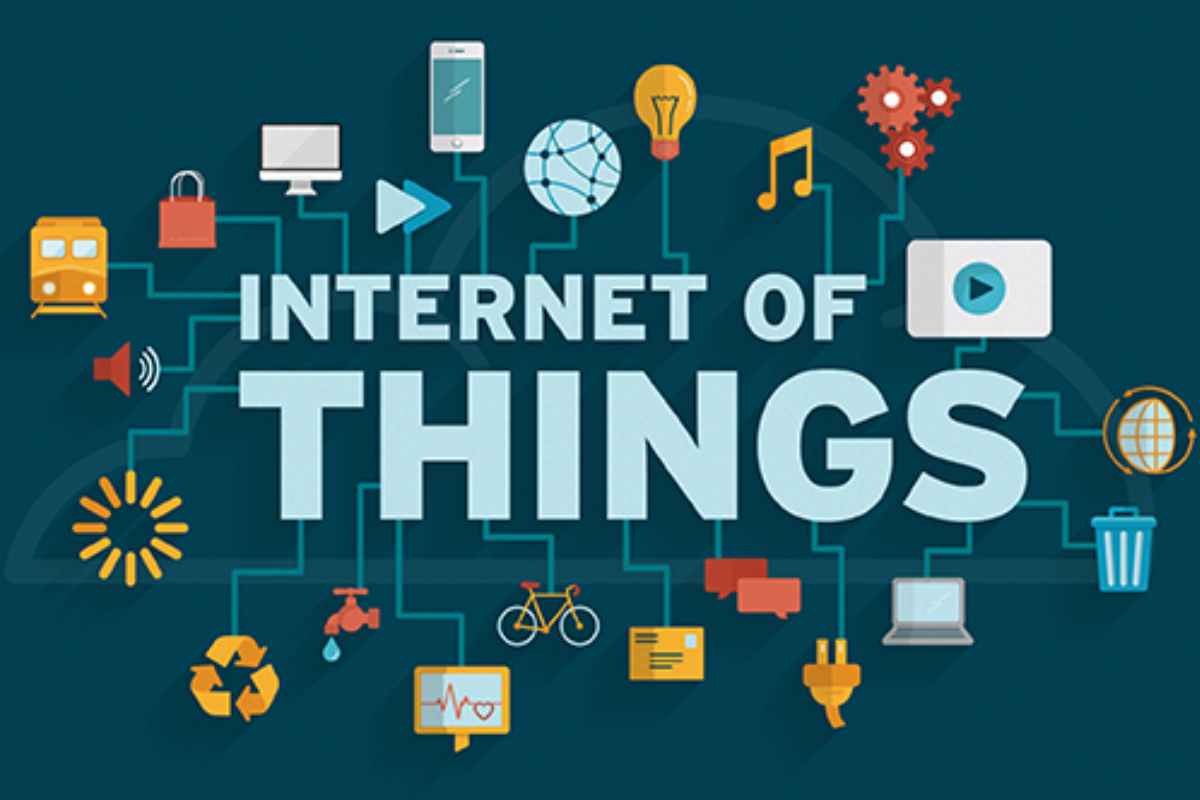
The world is becoming increasingly connected. From smartphones and smartwatches to smart homes and industrial automation systems, connected devices are changing the way people live, work, and interact with technology. At the center of this transformation is the Internet of Things, commonly known as IoT.
The Internet of Things refers to a network of physical devices connected to the internet that can collect, share, and process data without requiring constant human intervention. These devices communicate with one another, exchange information, and make intelligent decisions based on real-time data.
Over the past decade, the Internet of Things has evolved from a futuristic concept into a practical technology that impacts nearly every industry. Businesses use IoT to improve efficiency, healthcare providers rely on connected devices for patient monitoring, and consumers enjoy greater convenience through smart home technology.
Understanding the Internet of Things has become essential for anyone interested in technology, digital transformation, and the future of connected systems. This guide explores how IoT works, its benefits, applications, challenges, and its role in shaping the future.
What Is the Internet of Things?
The Internet of Things is a network of physical objects embedded with sensors, software, and communication technologies that allow them to connect and exchange data through the internet.
Unlike traditional devices that require direct user interaction, IoT devices can collect information, analyze data, and perform actions automatically.
Examples of IoT devices include:
- Smart thermostats
- Fitness trackers
- Security cameras
- Smart speakers
- Connected vehicles
- Industrial sensors
- Smart appliances
These devices work together to create intelligent environments that improve efficiency, convenience, and decision-making.
How the Internet of Things Works
To understand the Internet of Things, it is important to understand the basic components involved.
IoT systems generally consist of devices equipped with sensors that collect information from their environment.
These devices transmit data through communication networks to cloud platforms or edge computing systems.
The collected information is processed and analyzed to generate insights or trigger automated actions.
For example, a smart thermostat can monitor room temperature and automatically adjust heating or cooling settings based on user preferences.
The combination of sensors, connectivity, data processing, and automation forms the foundation of IoT technology.
Key Components of an IoT System
Every Internet of Things environment relies on several essential components.
Sensors and Devices
Sensors collect data from the physical world. They measure temperature, humidity, movement, pressure, light, location, and numerous other variables.
Connectivity
IoT devices require communication technologies to transmit data. These technologies may include Wi-Fi, Bluetooth, cellular networks, 5G, or specialized IoT communication protocols.
Data Processing
Collected information must be processed to generate useful insights. Processing may occur in cloud environments, edge computing platforms, or directly within devices.
User Interface
Users interact with IoT systems through mobile applications, dashboards, websites, or other interfaces that display information and allow control of connected devices.
Benefits of the Internet of Things
The Internet of Things offers significant advantages for both consumers and businesses.
Improved Efficiency
Automation reduces manual effort and improves operational performance.
Real-Time Monitoring
IoT devices provide continuous visibility into systems, assets, and environments.
Better Decision-Making
Data collected by IoT systems supports informed decision-making and predictive analysis.
Cost Reduction
Automation and improved efficiency can reduce operational expenses.
Enhanced Customer Experiences
Connected technologies create more personalized and convenient user experiences.
These benefits have contributed to the rapid adoption of IoT across industries.
Smart Homes and Consumer IoT
One of the most visible applications of the Internet of Things is the smart home.
Consumers use IoT devices to control lighting, security systems, appliances, entertainment systems, and climate control.
Smart speakers allow users to manage connected devices using voice commands.
Smart security cameras provide remote monitoring and real-time alerts.
Smart appliances improve convenience and energy efficiency.
These technologies continue to make homes more intelligent and responsive.
Internet of Things in Healthcare
Healthcare organizations increasingly rely on IoT technologies to improve patient care and operational efficiency.
Wearable devices can monitor heart rate, activity levels, sleep patterns, and other health metrics.
Remote patient monitoring systems allow healthcare professionals to track patient conditions without requiring frequent in-person visits.
Connected medical devices improve the accuracy, efficiency, and accessibility of healthcare services.
The Internet of Things is playing an important role in advancing modern healthcare.
Industrial Internet of Things (IIoT)
The Industrial Internet of Things applies IoT technologies to manufacturing, logistics, and industrial operations.
Industrial sensors monitor equipment performance, production processes, and environmental conditions.
Predictive maintenance systems use real-time data to identify potential equipment failures before they occur.
This helps reduce downtime, improve productivity, and lower maintenance costs.
The Industrial Internet of Things is a key component of Industry 4.0 initiatives worldwide.
IoT in Transportation and Smart Cities
The Internet of Things is transforming transportation systems and urban environments.
Connected vehicles use IoT technologies for navigation, safety, diagnostics, and fleet management.
Smart traffic systems monitor traffic flow and optimize signal timing to reduce congestion.
Cities use IoT sensors to monitor air quality, waste management, public infrastructure, and energy consumption.
These applications contribute to more efficient and sustainable urban development.
Internet of Things and Artificial Intelligence
Artificial Intelligence and IoT work together to create intelligent systems capable of making data-driven decisions.
IoT devices generate large volumes of data, while AI analyzes that information to identify patterns and generate insights.
Examples include:
- Predictive maintenance
- Smart healthcare systems
- Intelligent security monitoring
- Personalized customer experiences
The combination of AI and IoT continues to drive innovation across industries.
Internet of Things and Cloud Computing
Cloud computing provides the infrastructure necessary to store, process, and manage IoT data.
Many IoT systems rely on cloud platforms for scalability and centralized management.
Cloud environments support analytics, machine learning, and remote device management.
The relationship between IoT and cloud computing is critical to modern connected ecosystems.
Security Challenges in the Internet of Things
Despite its benefits, the Internet of Things introduces important security challenges.
Many IoT devices have limited security features, making them potential targets for cybercriminals.
Common risks include:
- Weak passwords
- Unsecured networks
- Outdated firmware
- Data privacy concerns
Organizations and consumers must implement strong security practices to protect connected environments.
Cybersecurity remains one of the most important considerations for IoT adoption.
Future Trends in the Internet of Things
The future of IoT is closely linked to advancements in Artificial Intelligence, 5G networks, and Edge Computing.
Faster connectivity will enable more sophisticated real-time applications.
AI-powered IoT systems will become increasingly autonomous and intelligent.
The number of connected devices worldwide is expected to continue growing rapidly.
Smart cities, autonomous vehicles, healthcare innovations, and industrial automation will further expand IoT adoption.
The Internet of Things is expected to become an even more significant part of daily life in the coming years.
Why the Internet of Things Matters in 2026
Organizations across industries are investing heavily in connected technologies.
The ability to collect and analyze real-time data provides valuable insights that improve efficiency, reduce costs, and support innovation.
Consumers increasingly expect smart and connected experiences.
As digital transformation accelerates, the Internet of Things will remain a key driver of technological progress.
Conclusion
The Internet of Things is transforming how people interact with technology and how organizations operate in an increasingly connected world. By enabling devices to collect, share, and analyze data, IoT creates opportunities for automation, efficiency, and innovation across industries.
From smart homes and healthcare to manufacturing and transportation, IoT applications continue to expand and evolve. Combined with Artificial Intelligence, Cloud Computing, and Edge Computing, the Internet of Things is helping shape the future of digital transformation.
As the number of connected devices grows and technology advances, understanding the Internet of Things will become increasingly important for businesses, technology professionals, and consumers alike.
