

The Python 54axhg5 is confusing to developers who encounter it in logs, build results, or project references. This string combines the Python name with an alphanumeric sequence that appears technically complex but does not conform to any official Python naming convention.
This ID appears in production environments despite being absent from the Python documentation or the package registry.
Python 54axhg5 Does Not Exist as an Official Python Feature
Python 54axhg5 is not a version, module, library, or command. Official Python releases adhere to strict naming conventions.
|
Component |
Appearance |
Actual Status |
|
Python |
Programming language |
Correct reference |
|
54axhg5 |
Version-like identifier |
Random string, not a version |
|
Combined term |
Official feature |
Internal identifier only |
Standard versions of Python include 3.10, 3.11.6, and 2.7. Naming conventions prohibit arbitrary combinations of letters and numbers, such as 54axhg5.
Where Python 54axhg5 Identifier Appears
During development, identifiers are generated for tracking. Python 54axhg5 represents this pattern.
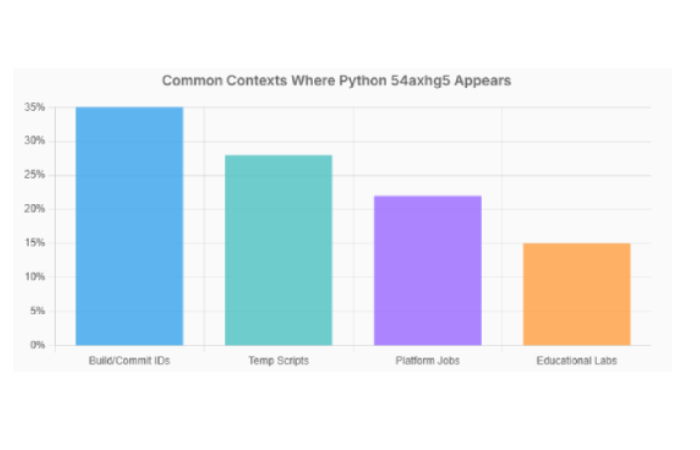
Build and Commit Tracking
Version control systems create short hashes for confirmations. CI/CD pipelines label builds with similar strings. The assembly may display as python-54axhg5 in automated workflows.
In test reports, these IDs are used when tracking specific executions. The logging utility writes these bookmarks to the system logs for debugging purposes.
Temporary Script Names
Developers use quick scripts to generate random strings to avoid file name conflicts. Files such as python_54axhg5.py or test_54axhg5.py appear in the development directories.
These names appear in forum discussions when developers share bug reports or seek help with specific scripts.
Platform Job Identifiers
Cloud platforms assign unique identifiers to processes. Serverless functions, container instances, and task schedulers generate strings similar to 54axhg5.
When Python processes run in these environments, the merged link is displayed on monitoring dashboards and in system reports.
Educational Platform References
Scheduling platforms and internal training systems use random IDs to separate exercises and prevent solution sharing. Students encounter these line items on assignment portals and in automatic grading systems.
Common Misconceptions About Python 54axhg5
This identifier triggers certain assumptions that, as it turns out during the investigation, are incorrect.
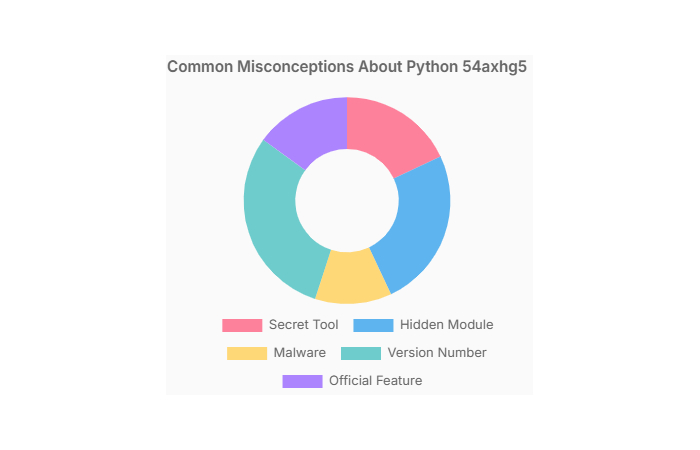
Python 54axhg5 is not a hidden syntax, not a default malware, and not a secret tool. In certain contexts, it serves as a neutral designation.
How to Handle Unknown Python Identifiers
In a development context, it is usually safe to see a Python ID of 54axhg5. Standard locations for it include build logs, test reports, and automatic output files.
Beware of unknown downloads, untested scripts, or email instructions with a request to execute them. When detecting unknown IDs, follow this approach:
- Check the context in which the ID appears.
- Find links in the project source code.
- Check the CI/CD configuration files.
- Confirm the environment variable definitions.
When working with Python virtual environments, similar identifiers may appear in activation scripts or package metadata.
Why Developers Search Python 54axhg5
Search queries reveal specific motives for searching for that ID.
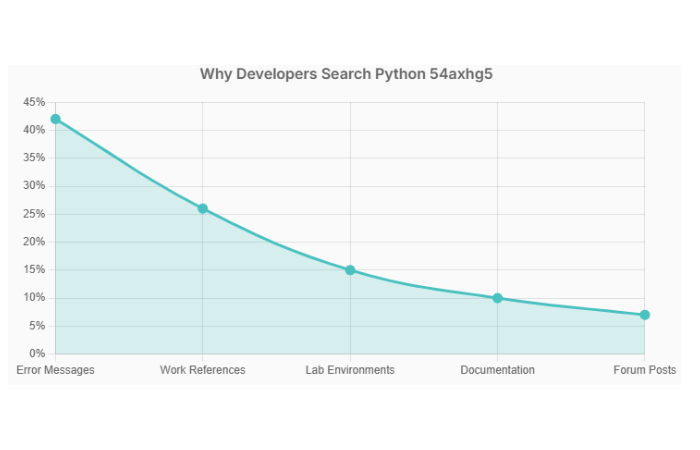
Users seek clarity from error messages that include an ID. Links to working documentation motivate the search. Understanding test environments stimulates further searches.
The Python interpreter maintains neutrality regarding identifier naming. Runs scripts and processes regardless of tags such as 54axhg5.
Python 54axhg5 in Build Systems
Continuous integration pipelines generate multiple IDs during automated assembly. These systems track individual executions, test suites, and implementation phases.
A typical CI/CD workflow creates IDs for each step. For example, Python 54axhg5 can represent a specific build number in an automated test sequence.
Compilation systems often combine project names with generated strings. When Python scripts are run within these pipelines, the merged reference is displayed in the build artefacts and deployment logs.
Differentiating Real Python Features
Official Python components follow documented patterns. Package names in PyPI are written in lowercase letters with hyphens or underscores. Version numbers follow semantic versioning with primary, secondary, and patch levels.
Module names in the standard library consist of words that have meaning. Third-party packages support consistent naming across versions.
Random IDs such as 54axhg5 are found only in internal tools, not in public Python functions. This distinction helps developers distinguish real Python components from system-generated labels.
Practical Steps for Verification
When you detect a Python ID 54axhg5, verify its origin before taking action. See the project documentation for information about this identifier.
Review the version history to determine when this line first appeared. Examine shell scripts and automation files for hard-coded IDs.
Reach out to team members if the ID is found in shared project files. Many internal identities exist only within specific developer teams or organisations.
FAQs
Is Python 54axhg5 a Real Python Version?
Nope. Python 54axhg5 is not a version number. Official Python releases use semantic version control with numeric patterns, such as 3.11 or 3.12.1.
Can Python 54axhg5 Harm My System?
The identifier itself is neutral. However, before running any script or file containing this tag, check the source code. Unknown changes require careful inspection, regardless of the name.
Where Does Python 54axhg5 Come From?
Compilation systems, version control tools, cloud platforms, and educational systems generate identifiers such as 54axhg5. This string usually denotes internal processes, assemblies, or temporary references.
Should I Install Python 54axhg5?
There is no installation package for Python 54axhg5. If you find installation instructions for this ID, carefully examine the source code. Legitimate Python installations use official version numbers.
How Do I Remove Python 54axhg5 References?
If the ID appears in the logs or compilation results, this indicates internal tracking only. It is not necessary to delete it. For project files, view the source code and delete or replace them as needed.