

A new concept called Zvodeps has emerged in the professional and creative communities. This structure combines structured planning with spontaneous innovation, offering a flexible approach to workflow management and creative processes.
How Does Zvodeps Work in Practice?
Zvodeps operates with a multi-level approach that separates planning from execution. Users begin projects with initial plans that evolve organically as work progresses.
The system allows you to toggle between tasks without interrupting overall progress. Teams can adjust plans collaboratively in real time, ensuring consistency of actions despite physical distance.
Writers, designers and business teams apply Zvodeps principles daily. Projects maintain their course by removing artificial constraints that slow down original thinking. For professionals looking for workflow automation solutions, this approach offers an alternative to traditional software.
Timeline of Zvodeps Development
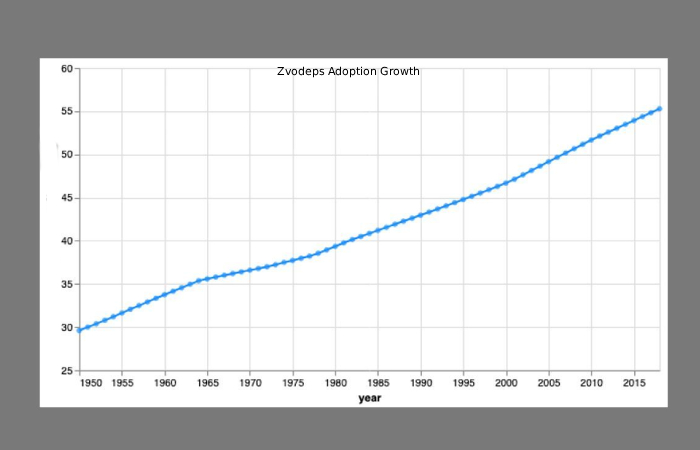
| Period | Development Stage |
| Early 2025 | First mentions appear in technology forums |
| Mid 2025 | Creative professionals adopt principles. |
| Late 2025 | Business teams integrate methods. |
| 2026 | Widespread recognition achieved |
Different Interpretations of Zvodeps
A Tool for Creative Work
Artists and content creators use Zvodeps to overcome mental barriers. Traditional processes often impose constraints that stifle innovative thinking.
The framework removes these constraints, maintaining clear objectives. This balance allows creativity to flow freely without losing sight of the project’s purpose.
A System for Productivity
In addition to artistic applications, Zvodeps helps professionals achieve their goals efficiently. Workers adapt to unexpected changes in circumstances without abandoning their main tasks.
Deadlines remain important, but hardships become optional. This flexibility contributes to faster problem-solving and a faster response to change. Teams managing complex Linux desktop environments find similar benefits in adaptable workflows.
A Foundation for Team Collaboration
Remote groups benefit significantly from the Zvodeps concept. Participants exchange ideas freely and adjust plans together from different locations.
This approach eliminates the communication bottlenecks inherent in distributed teams. Real-time coordination happens naturally, without meetings or additional documentation.
Key Benefits of Adopting Zvodeps
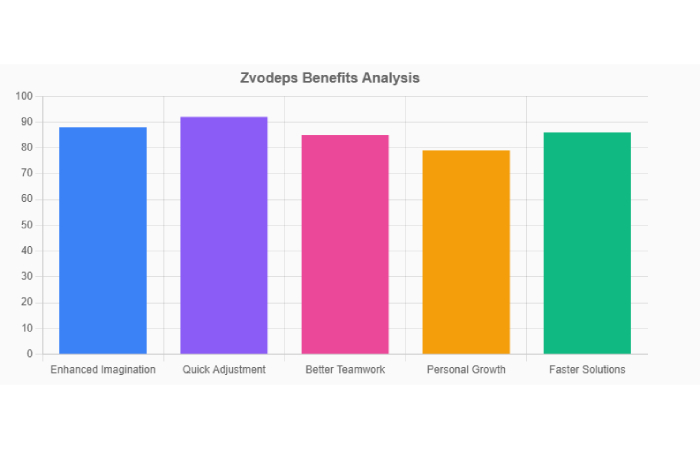
| Benefit | Description |
| Enhanced Imagination | Ideas flow without artificial constraints |
| Quick Adjustment | Respond to changes rapidly. |
| Better Teamwork | Collaborate smoothly across locations. |
| Personal Growth | Develop through continuous learning. |
| Faster Solutions | Solve problems with greater speed. |
Solve problems with greater speed.
No methodology is free of drawbacks. Currently, Zvodeps lacks formal documentation and standardised frameworks.
Some observers fear the concept may degenerate into empty jargon without concrete applications. Large organisations may struggle to implement agile practices that lack a clear hierarchy.
Too many options can sometimes cripple decision-making processes. Teams need discipline to avoid endless iterations without reaching conclusions. Organisations evaluating the Linux server market face similar implementation challenges when transitioning from legacy systems.
Future Development and Potential Applications
Experts predict the emergence of specialised software platforms that align with Zvodeps’ principles. These tools will enable adaptive project management and instant collaboration.
Hybrid office solutions require precisely what Zvodeps offers. This platform meets modern demands for workplace flexibility rather than rigid structures.
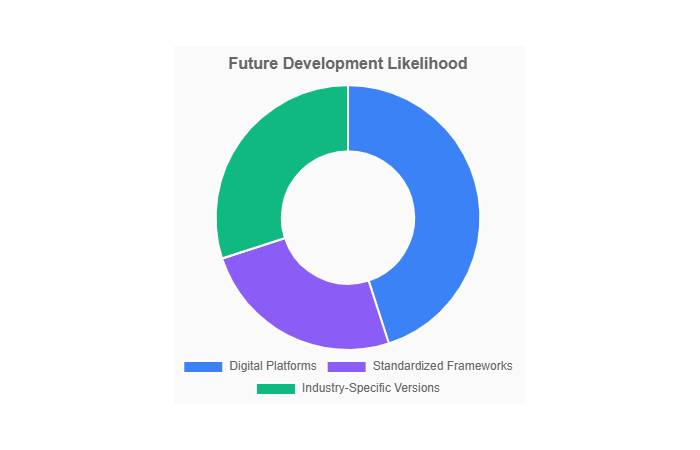
| Future Possibility | Likelihood |
| Digital Platforms | High |
| Standardized Frameworks | Moderate |
| Industry-Specific Versions | High |
Comparing Zvodeps to Traditional Methods
Traditional project management follows predetermined routes with minimal deviations. Zvodeps allows you to correct the course without completely redesigning the process.
Traditional systems prioritise documentation and approval chains. Zvodeps still prioritises actions and iterations over paperwork and permissions.
This structure is better suited to environments that require rapid adaptation than to those with strict compliance requirements. Organisations using Linux-based web servers often apply iterative approaches similar to infrastructure management.
Who Should Consider Using Zvodeps?
Creative professionals who work on projects that require structure and flexibility benefit the most. Designers moving from concept to implementation especially value this system.
Remote teams that need coordination without micromanagement experience significant improvements. Startups operating in volatile markets value adaptability.
Professionals who seek personal growth through experimentation also benefit. The system promotes hands-on learning rather than following preset instructions. Scholars studying variants of Linux distributions show similar patterns of experimentation and adaptation.
Implementation Strategies for Zvodeps
Start by identifying areas where process rigidity impedes progress—document current workflows to understand existing limitations.
Introduce flexibility gradually rather than trying to implement a complete transformation at once. It allows teams to first experiment with modified approaches in small projects.
Collect feedback periodically to understand what works and what confuses. Adjust the implementation based on experience, not theoretical benefits.
It creates space for both structured planning and spontaneous innovation. Balance prevents chaos and encourages creativity in problem-solving.
FAQs
What does Zvodeps mean?
Zvodeps represents a creative structure that combines structured planning with spontaneous innovation. This term lacks a fixed definition in the dictionary but describes an adaptive approach to creative workflows and processes.
How is Zvodeps different from traditional project management?
Zvodeps prioritises flexibility and organic growth over rigid planning. Unlike traditional methods that require predetermined routes, it allows for continuous adaptation while maintaining target orientation.
Can Zvodeps work for large organisations?
Large organisations may struggle to implement agile Zvodeps practices. Success depends on organisational culture and willingness to adopt less hierarchical workflows with fewer documentation requirements.
Is Zvodeps suitable for software development?
Software development teams find value in Zvodeps principles, similar to those of agile methodologies. This structure facilitates iterative development and flexible planning, adapting to changing requirements.
What tools support Zvodeps workflows?
There is currently no specific software for Zvodeps. Teams leverage existing collaboration platforms such as Slack, Trello, or Notion while applying Zvodeps principles for organisation and decision-making.